Past Lives, and the life we didn’t get to live
On Celine Song’s Past Lives, and the two maybes it leaves us with.
I believe writing and cinema are subtle social levers.
These two forms evolve with the generation, the societal setup, and even the decade. What we all consume, accept, and talk about through these forms gets acknowledged and sometimes normalised.
Many movies have shown love lives and the nuances of past romances entering lives, leading to affairs that sometimes feel justified. A recent movie that made a wave globally is Celine Song’s Past Lives.
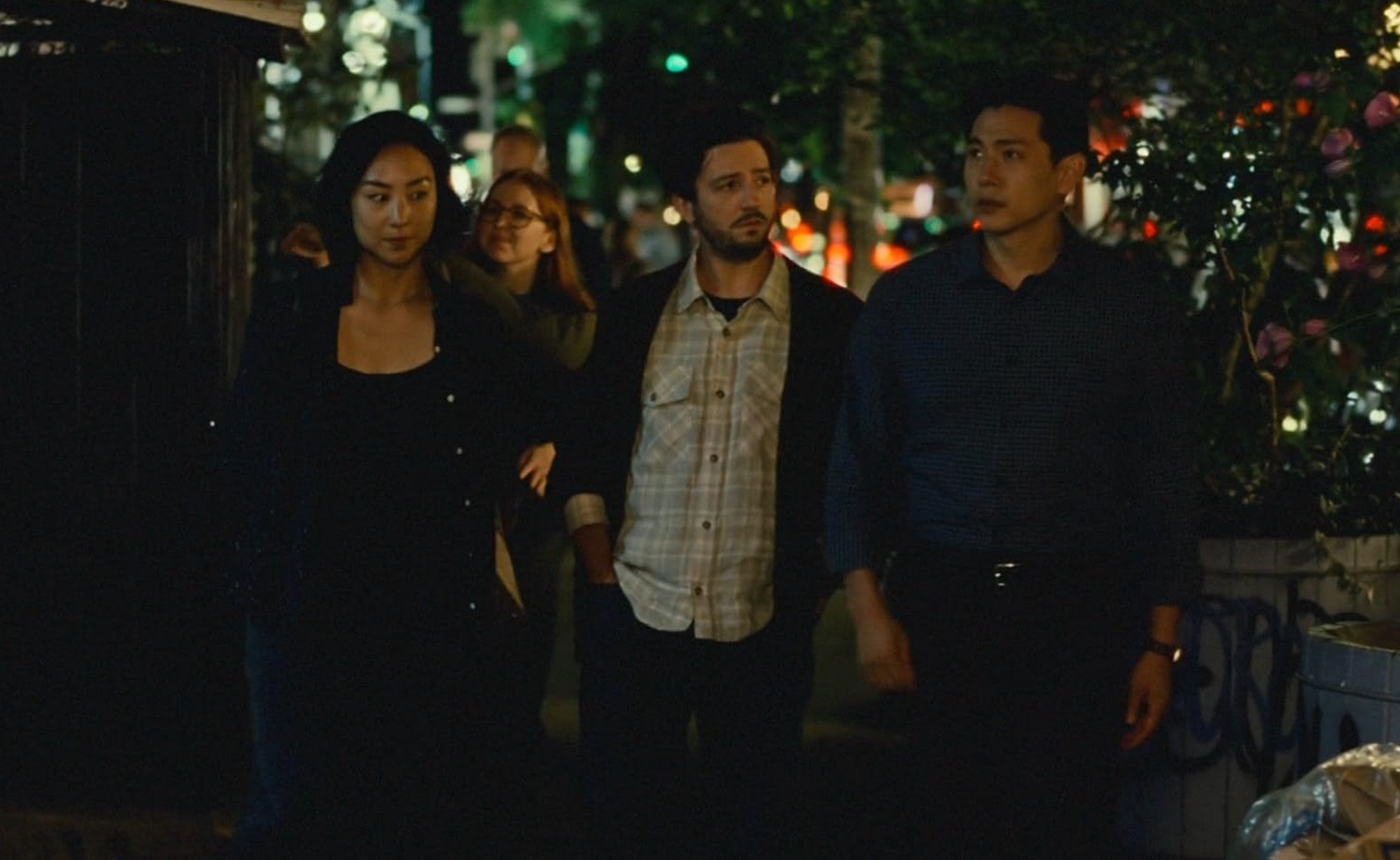
If you haven’t watched it, in a few words, it is about a Korean woman, Nora (originally named Na Young) and her childhood close friend, Hae Sung. Her family later migrates to Canada, leaving their friendship and deep affection behind.
They both move on with their lives, become adults, build careers, and eventually Nora marries Arthur, her fellow writer. The film shows how Hae Sung visiting her years later creates a ripple in her otherwise calm life.
When I started watching it, it felt like another confused romance movie where the female lead is attracted to her childhood sweetheart. But the ending and her choice shift the perspective into a more mature, textured film.
He comes into her life like the smell of a food stall one loved as a kid, bringing back memories of her childhood, familiarity, and warmth.
Before one city became home, before one career took shape, before one person became her husband, she could have been so many versions of herself.
He opens a box of two maybes.
There’s the obvious one. Romantic. His presence and the time they spend together make her feel attracted to him as someone she once knew well and now likes as the adult he’s become. Making her wonder what her life would be like if she were with him instead of Arthur.
The second one is identity. He belongs to a version of Nora that Arthur can’t fully reach. Her childhood. The sound of her first language. The familiarity of shared culture. Hae Sung fits perfectly into those pieces but isn’t part of her present life.
Arthur and Hae Sung hold two different halves of her, and she can’t stop wanting both.
Arthur is a well-written character, too. He loves her and feels insecure because, no matter how much he tries, he cannot give her the familiarity and connection Hae Sung does, which comes from a shared childhood and culture.
He realises what she feels for Hae Sung and lets her choose. Instead of acting as her husband, he plays the role of a fellow human, feeling empathy and emotional maturity, giving her room to grieve the life she misses and recover.
At the end, the film leaves us with raw, thoughtful emotion.
While there isn’t a perfect single word for it in English, there are a few beautiful cultural terms and psychological concepts that pin down this exact feeling:
Sehnsucht (German): This translates to an intense, bittersweet longing or yearning for a faraway, elusive happiness, or an idealized life that may not even exist. It is a craving for “something more,” paired with the painful realization that you cannot have it.
Saudade (Portuguese): A deep emotional state of melancholic longing for an absent something or someone that you love. It often carries a heavy weight of knowing that what you miss may never return, but you cherish the memory of it anyway.
Anemoia: A modern psychological term used to describe a feeling of nostalgia for a time or a life you’ve never actually known. In Nora’s case, it is a longing for the life “Na Young” would have lived if she stayed in Seoul.
The “Ghost Ship” Feeling: Author Cheryl Strayed beautifully described this concept, which mirrors the film perfectly:
“I’ll never know and neither will you of the lives we never led, the places we never went, the people we never loved... [We] will only know the choices we made and how they shaped us... but there is always a ghost ship that didn’t carry us, and it is traveling somewhere else.”